
Competition
Nomad-(95256)
“TUN-25 Tactical Urbanism Now!” by TerraViva Competitions
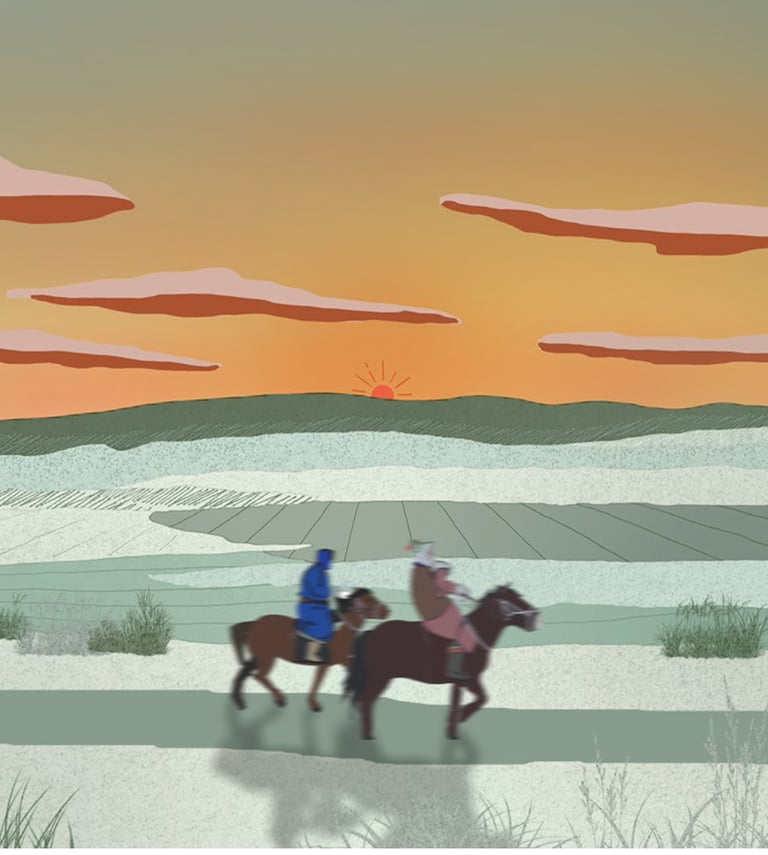
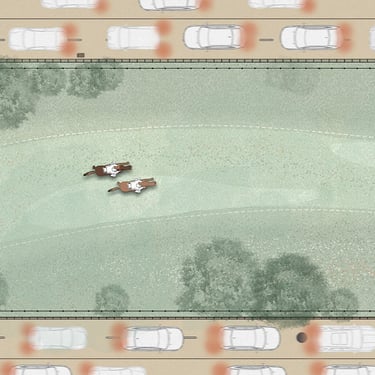
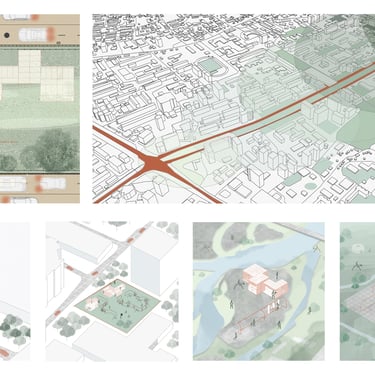
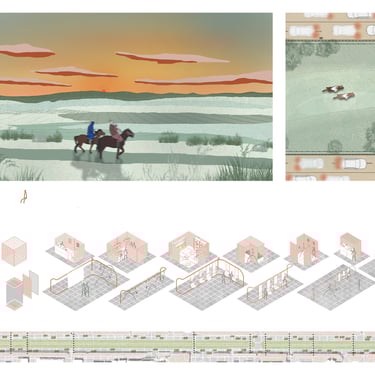
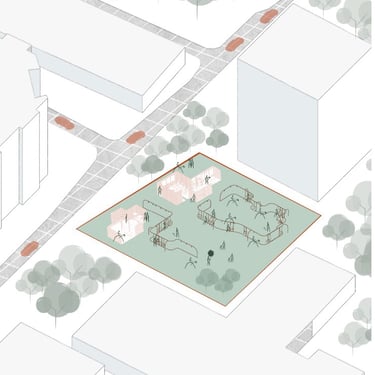
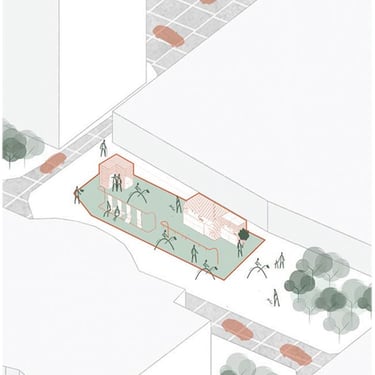
This concept will contribute to reducing congestion, a significant issue for the city of Ulaanbaatar. Furthermore, reinstating horses within the settlement zone is essential for a country with an extreme climate like Mongolia. The nomad concept is being proposed with the objectives of reducing greenhouse gas emissions, generating employment opportunities for horsemen, utilising bio-waste as fertiliser, and expanding urban green spaces. The aim is to adapt the era when horses—part of the five-nouled livestock, which constitute a critical element of Mongolian nomadic pastoralism—were utilised for all modes of riding and carriage, to the modern city. This involves planning the unused and neglected streets and public spaces of the city to be appropriate for equestrian movement.
LeveL-UP (95269)
“TUN-25 Tactical Urbanism Now!” by TerraViva Competitions
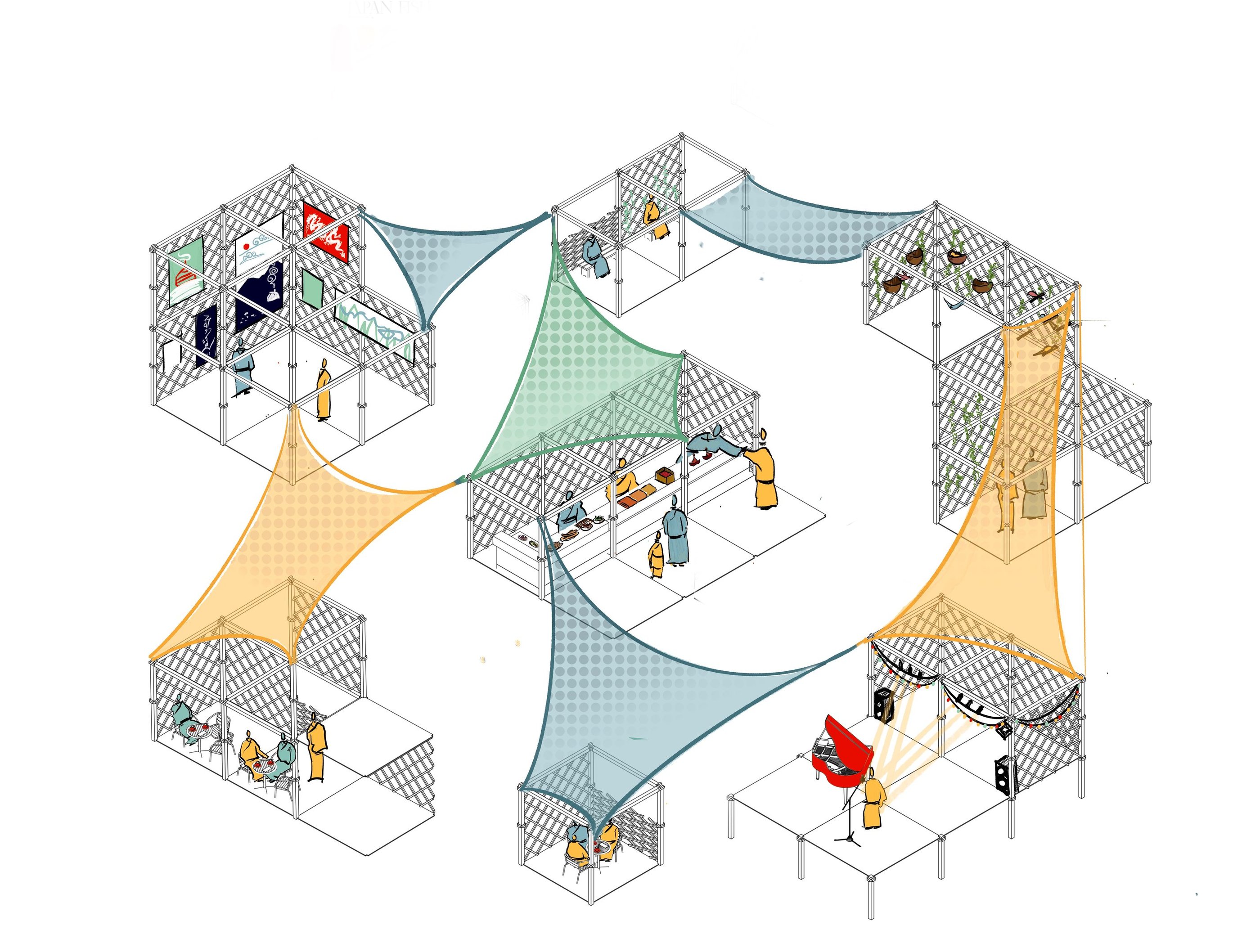
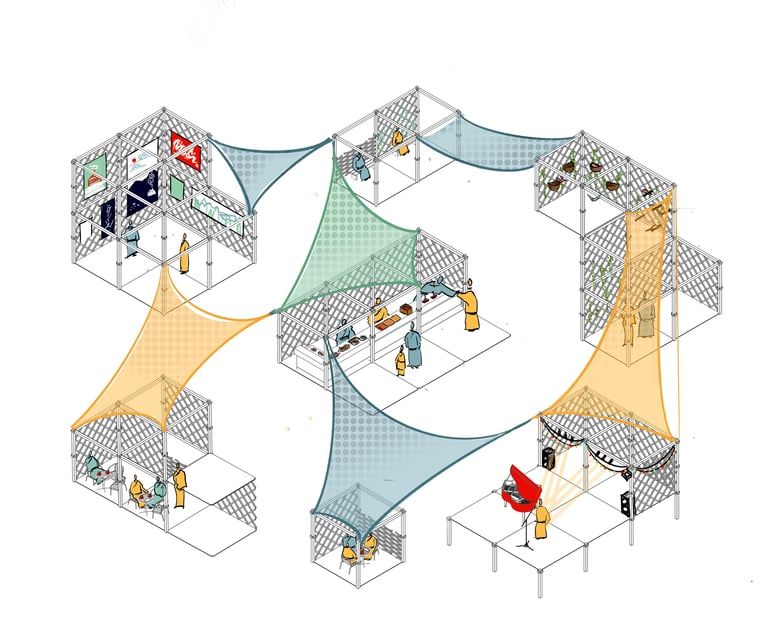
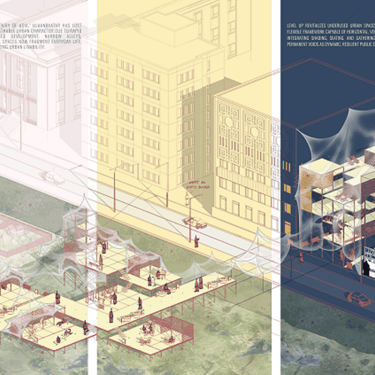
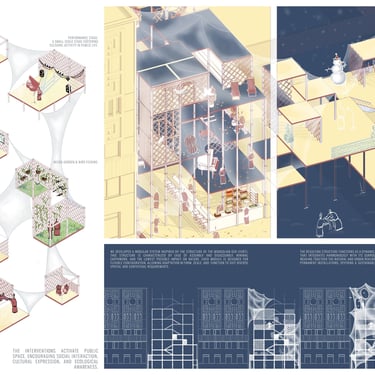
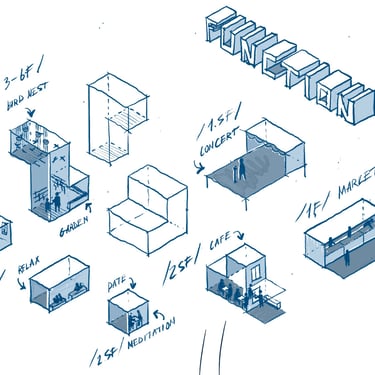
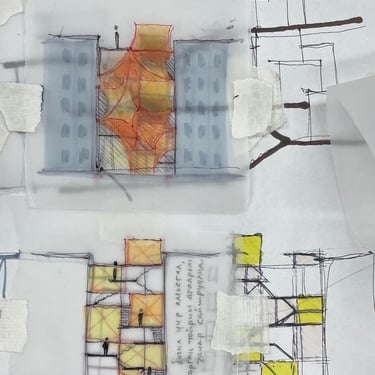
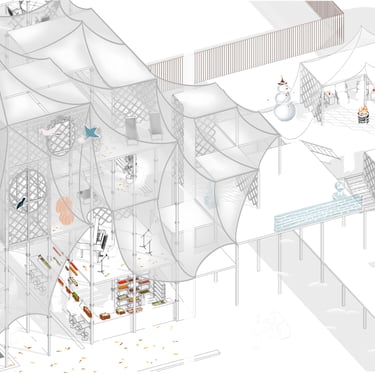
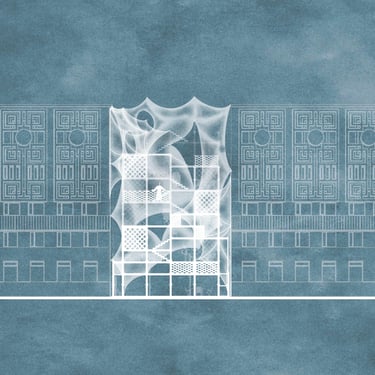
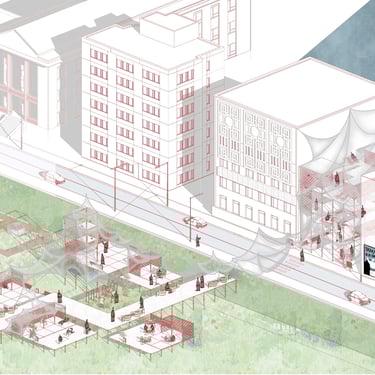
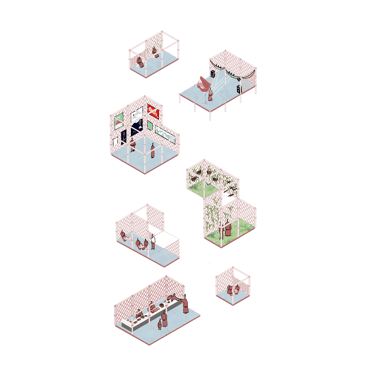
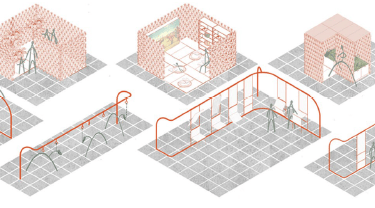
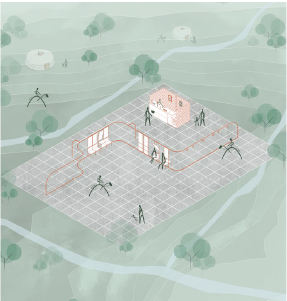
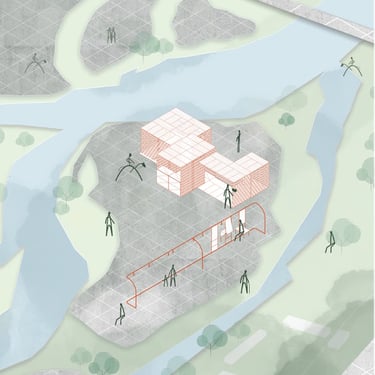
Mongolians have historically been a people with a nomadic culture, and their custom of using campsites without damaging them and leaving no trace in nature whenever they moved is an expression of the nomads' philosophy of respecting nature and living in harmony with it. This perspective is based on the wisdom of "coexisting" rather than "owning the land," and the main principle is to align one's existence with the rhythm of nature, keeping the traces left behind minimal. To revive and apply this philosophy to modern urban conditions, we developed a modular system inspired by the structure of the Mongolian ger (yurt). This structure is characterised by ease of assembly and disassembly, minimal earthwork, and the lowest possible impact on nature. Each module can be flexibly assembled into the desired shape and level, offering a solution that is environmentally friendly, sustainable, and cost-effective. Today, we are transitioning from a nomadic economy to a sedentary lifestyle, coexisting in environments composed of ger districts (sprawling residential areas) and conventional buildings. As buildings increase in the city centre, public open spaces are increasingly squeezed and diminished; conversely, as ger districts on the city outskirts expand horizontally, areas for citizens to spend their free time and environments for children to play have become scarce. This scarcity is one of the major problems facing the capital city, Ulaanbaatar.
Contact Us
Reach us for research inquiries and collaborations
© 2026. Nomadic Space Lab. All rights reserved.
Address
#2-605, Mongolian University of Science and Technology 8th khoroo, Baga toiruu 34, Sukhbaatar district, Ulaanbaatar, Mongolia 14191